

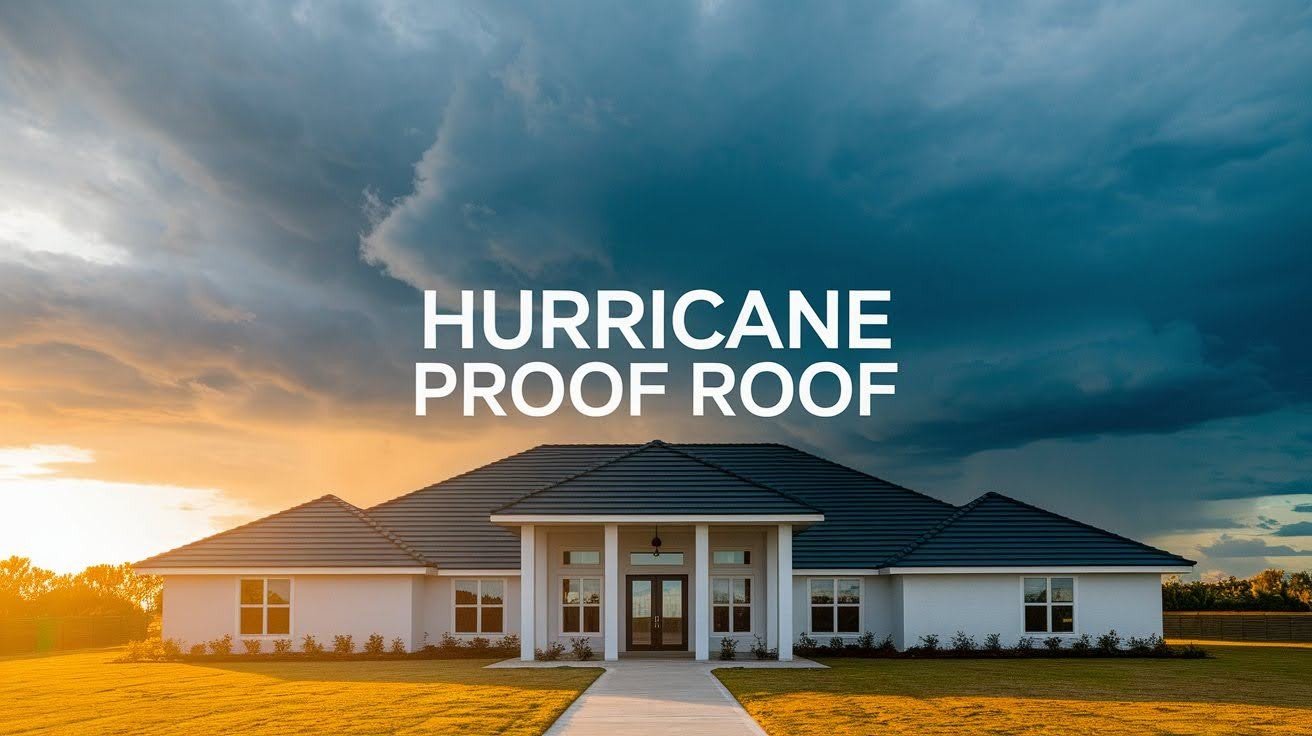
When hurricane winds reach your neighborhood, your roof becomes your family’s shield against nature’s fury. Every year, thousands of homeowners face devastating losses because their roofs can’t withstand the storm.
Hurricane activity has increased dramatically over the past decade. The National Hurricane Center reports that major storms now cause over $28 billion in property damage annually. Most of this destruction starts with roof failure.
Your roof is your home’s first defense against hurricane forces. When it fails, water pours in, walls weaken, and entire structures can collapse. The good news? A properly designed hurricane-proof roof can protect your family and save you thousands in repair costs.
What Makes a Roof Hurricane-Proof: Core Requirements
A true hurricane-proof roof must meet strict standards that go far beyond normal construction. These roofs are engineered to handle extreme conditions that would destroy conventional roofing systems.
Best Hurricane-Resistant Roofing Materials

Choosing the right materials is essential to keep your home safe during a hurricane. Metal roofs, like steel or aluminum, offer strong wind resistance and long-lasting durability.
Impact-resistant shingles provide Class 4 protection against flying debris, while clay, slate, or synthetic tiles can also protect your roof when properly installed with secure fasteners and clips.
Roof Shape and Slope Considerations

Your roof’s design plays a big role in protecting your home from hurricane winds. Hip roofs are ideal, as their sloping sides let wind flow smoothly around your home.
A slope of about 30 degrees strikes the perfect balance between wind resistance and water drainage. Flat roofs, however, are more prone to being lifted by strong winds.
Anchoring and Fastening Systems

Even the best roofing materials won’t protect your home without proper anchoring. Metal straps, hurricane clips, and ring shank nails secure your roof to the house frame.
Proper spacing, depth, and fastening techniques create a continuous load path from roof to foundation, keeping your roof safe during severe storms.
Proper Installation Practices

Professional installation is crucial for a hurricane-proof roof. Certified contractors follow building codes, use quality underlayment, and seal every penetration to keep wind-driven rain out.
DIY mistakes like wrong nail placement or poor flashing can undo even the strongest materials, leaving your home vulnerable during storms.
Regular Maintenance and Inspections

A hurricane-proof roof needs regular care. Inspect it twice a year and after storms for loose fasteners, damaged shingles, or flashing issues.
Keep gutters clear, trim overhanging branches, and repair minor damage promptly to prevent small problems from becoming major failures during the next hurricane.
Best Hurricane-Resistant Roofing Materials
Choosing the right materials is essential for building a hurricane-proof roof that lasts. Each material offers different advantages depending on your budget, climate, and home design.
Metal Roofing: The Gold Standard

Aluminum roofing systems provide excellent hurricane protection with wind resistance up to 140 mph. These lightweight panels won’t crack under impact and resist corrosion in salt air environments.
Steel roofing offers superior strength for extreme conditions. Standing seam metal roofs perform better than corrugated options because they have fewer fastener penetrations where leaks can start.
Tile Roofing Solutions

Clay roof tiles have protected homes for centuries, but they need proper installation in hurricane zones. Modern clay tiles are tested to handle 125 mph winds when installed with hurricane clips and adhesive.
Composite roof tiles weigh less than clay while offering similar protection. These engineered materials resist impact damage and won’t crack from thermal expansion like natural clay can.
Advanced Asphalt Shingles

Impact-resistant shingle technology has improved dramatically in recent years. GAF Timberline AS II shingles feature reinforced backing that prevents tear-off during high winds.
Malarkey Legacy shingles with Scotchgard protection resist algae growth and maintain their wind resistance longer. Owens Corning TruDefinition Duration Storm shingles offer Class 4 impact resistance with enhanced nail holding power.
Slate Roofing: Maximum Durability

Natural slate provides exceptional hurricane resistance with proper installation. These heavy tiles can handle extreme impact without cracking, and their weight helps them stay in place during high winds.
Synthetic slate alternatives like DaVinci products offer similar protection with less weight. While more expensive initially, slate roofs can last 75+ years with minimal maintenance.
Professional Installation: The Make-or-Break Factor
Even the best hurricane-proof roof materials will fail without proper installation. Professional contractors understand the critical details that make the difference between protection and disaster.
Why DIY Hurricane Roofing Fails?
Most homeowners lack the specialized knowledge needed for hurricane-resistant installation. Common mistakes include incorrect fastener placement, inadequate underlayment, and poor flashing around roof penetrations.
Certified contractors understand load calculations, wind uplift requirements, and building code specifications. They have access to professional-grade materials and tools that aren’t available to consumers.
Quality Installation Standards
- Synthetic underlayment provides better tear resistance than felt paper
- Ice and water shield protects critical areas like eaves and valleys
- Proper flashing techniques seal every penetration against wind-driven rain
- Enhanced fastening schedules exceed minimum code requirements
- Continuous load paths transfer forces from the roof to the foundation
- Regular inspections during installation ensure quality control
Choosing the Right Contractor
- Look for GAF Master Elite, CertainTeed SELECT ShingleMaster, or similar certifications.
- Verify current insurance coverage and local licensing
- Check Better Business Bureau ratings and customer references
- Ensure the contractor has hurricane-specific experience in your area
- Get detailed written estimates comparing materials and installation methods
- Avoid door-to-door contractors who appear after storms
Beyond Materials: Complete Hurricane Protection Strategy
Hurricane-proof roof works best as part of a comprehensive protection plan. Regular maintenance, proper insurance, and emergency preparation all contribute to your home’s storm readiness.
Regular Roof Maintenance
Inspect your roof twice yearly and after every major storm. Look for loose fasteners, damaged flashing, and worn sealants that could fail during the next hurricane.
Clean gutters and drains regularly to prevent water backup. Trim overhanging tree branches that could fall on your roof during high winds.
Replace missing or damaged shingles immediately, as small problems can become major failures during storms.
Insurance and Financial Considerations
Hurricane roof coverage varies significantly between insurance companies. Wind-driven rain damage may be covered differently from flood damage, so understand your policy details before storm season.
Many insurers offer discounts for impact-resistant roofing materials. These savings can offset the higher initial cost over time.
Consider the long-term value when choosing materials. A hurricane-proof roof should last 25-30 years with proper maintenance, making higher initial costs worthwhile.
Emergency Preparedness
Develop a post-storm inspection plan before hurricane season begins. Know how to safely assess damage from the ground and when to call professionals.
Keep emergency repair supplies on hand, including tarps, plywood, and basic tools. Quick temporary repairs can prevent small problems from becoming major structural damage.
Maintain relationships with trusted contractors before you need them. Storm damage creates high demand for repair services, so having contacts helps ensure faster response.
Regional Considerations and Building Codes
Hurricane-proof roof requirements vary by location based on local wind speeds and weather patterns. Understanding your area’s specific challenges helps you choose the right protection level.
Florida Building Code Requirements
High Velocity Hurricane Zones require the strongest protection standards in the United States. Miami-Dade approved materials must pass rigorous testing for 175 mph winds and large missile impact.
The Florida Building Code mandates specific installation techniques, including enhanced fastening schedules and continuous load paths from roof to foundation. All materials must be approved for the specific wind zone.
Gulf Coast Specific Challenges
Salt air accelerates corrosion of metal components and fasteners. Galvanized steel may not provide adequate protection – consider stainless steel or aluminum alternatives.
High humidity and frequent storms require materials that resist moisture penetration and mold growth between major hurricane events. Proper ventilation becomes even more critical in these climates.
Cost-Benefit Analysis by Region
Northern coastal areas may only need 110 mph wind resistance, reducing material costs compared to extreme southern zones. However, the investment still provides excellent protection and insurance savings.
Consider your home’s expected lifespan when choosing protection levels. Factor in potential increases in storm intensity due to climate change when making long-term roofing decisions.
Conclusion
Building a hurricane-proof roof takes careful planning, quality materials, and professional installation. This investment protects your family and home for many years. Start by learning your local building codes and wind requirements.
Compare material options based on performance, not just price. Get several quotes from certified contractors with hurricane experience. Ask about installation methods and warranty coverage.
The cheapest option often costs more in the long run. A strong roof gives peace of mind when storms arrive. You can feel secure knowing your home is protected. Quality materials and skilled installation reduce damage risks and can lower insurance costs over time.
Frequently Asked Questions
What materials should I choose for a hurricane-proof roof?
For ultimate protection, consider metal, impact-resistant shingles, or clay/engineered tiles. Metal resists wind up to 140 mph, while Class 4 shingles withstand debris impact. Your choice depends on budget, home design, and local storm intensity.
How does roof shape affect hurricane safety?
Hip roofs perform best in hurricanes because sloped sides allow wind to flow smoothly. Gable roofs face uplift issues at the peak. A 30-degree slope balances wind resistance with proper water drainage, minimizing potential storm damage.
Why is professional installation crucial for hurricane roofs?
Even top materials fail without proper installation. Certified contractors ensure correct fastener placement, secure underlayment, and flashing. DIY attempts often miss these details, leaving your home vulnerable. Proper installation creates a continuous load path from roof to foundation.
How often should I inspect my hurricane-proof roof?
Inspect your roof at least twice a year and after major storms. Check for loose fasteners, damaged shingles, or flashing issues. Timely maintenance prevents minor problems from becoming expensive failures during the next hurricane season.
Does a hurricane-proof roof save on insurance and repairs?
Yes, choosing impact-resistant materials often qualifies for insurance discounts. It reduces storm damage risk, lowering repair costs. While upfront costs are higher, the long-term value in safety, durability, and savings makes it a smart investment for your family.
